Pediatric preventive dentistry in San Marcos, TX
What Does Pediatric Preventive Dentistry Include?
Pediatric preventive dentistry in San Marcos, TX includes routine care that helps protect baby teeth, permanent teeth, gums, and developing smiles. Rather than waiting for pain or visible decay, preventive visits give Dr. Christina Mueller an opportunity to identify early changes, assess cavity risk, and guide parents before a small concern becomes more difficult to manage.
At Springtown Pediatric Dentistry, preventive recommendations are based on your child’s age, dental history, home habits, tooth development, and current findings. Exams, cleanings, fluoride, sealants, and X-rays each serve a different purpose, and not every child needs every service at every visit.
Why Choose Us for Pediatric Preventive Dentistry in San Marcos?
Preventive care at Springtown Pediatric Dentistry is planned around your child’s age, cavity history, enamel strength, home habits, and stage of dental development. Dr. Christina Mueller does not apply the same routine to every patient. She looks for early changes, explains what matters now, and recommends only the exams, cleanings, fluoride, sealants, or imaging that can provide a clear benefit for your child’s current needs and future oral health overall.
Families receive practical guidance they can use between visits. Dr. Mueller discusses brushing, flossing, fluoride toothpaste, food and drink habits, and areas that may need extra attention at home. Her conservative approach helps parents understand why a service is recommended, what can safely be monitored, and how preventive visits support healthier teeth without adding care that is not clinically necessary.
Pediatric Preventive Dentistry Services We Offer
1
Pediatric Dental Exams
Dr. Mueller evaluates your child’s teeth, gums, bite, enamel, tooth eruption, and cavity risk during each exam. She also reviews home-care habits and any concerns you have noticed. These visits help identify early changes, monitor dental development, and guide preventive recommendations based on your child’s age, history, and current needs.
2
Pediatric Dental Cleanings
Professional cleanings remove plaque and hardened buildup that brushing may leave behind, especially near the gumline and between teeth. The team also polishes the teeth and shows families where home care can improve. Cleanings support gum health and help Dr. Mueller monitor areas where cavities may be starting over time.
3
Pediatric Fluoride Treatments
Fluoride varnish can strengthen enamel and help repair early weakened areas before a cavity fully forms. Dr. Mueller recommends treatment according to your child’s age, cavity history, toothpaste use, diet, and fluoride exposure. The application is quick and works alongside brushing rather than replacing daily care at home each day.
4
Pediatric Dental Sealants
Dental sealants cover deep pits and grooves on cavity-prone chewing surfaces, especially molars that are difficult to brush thoroughly. Dr. Mueller evaluates each tooth before recommending a sealant. The thin coating adds protection where food and bacteria commonly collect while allowing your child to continue normal brushing and flossing daily.
5
Pediatric Dental X-Rays
Dr. Mueller recommends pediatric dental X-rays only when they can provide information that a visual exam cannot. Images may reveal hidden cavities, root concerns, developing permanent teeth, or changes in the jaw. The timing and type of X-ray depend on your child’s age, symptoms, dental history, and specific clinical findings.
Meet the Pediatric Dentist Who Understands Kids

Dr. Christina A. Mueller, DDS, MPH, is a board-certified pediatric dentist and founder of Springtown Pediatric Dentistry in San Marcos. A sixth-generation Texan and second-generation pediatric dentist, she studied mathematics and biology at Southern Methodist University, competed in collegiate discus, earned public health training, and completed advanced pediatric dental education.
Her prevention-focused, relationship-centered approach helps families understand what can be prevented, what should be watched, and when treatment is actually needed. As both a pediatric dentist and mother, Dr. Mueller values parents’ trust. She uses cavity-risk assessment, clear explanations, and practical home-care guidance to protect baby and permanent teeth while avoiding services that do not provide a clear clinical benefit.

Benefits of Pediatric Preventive Dentistry for Children
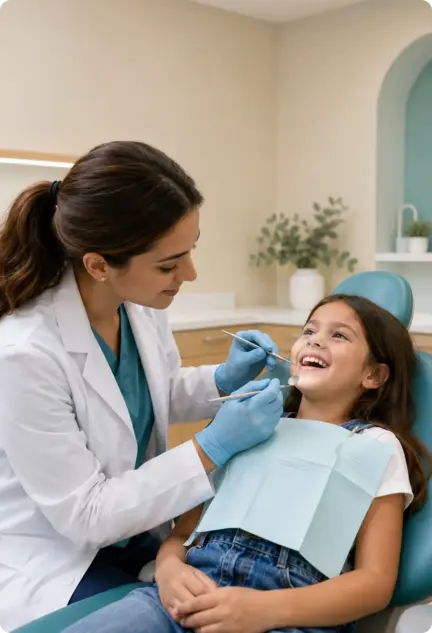
Regular preventive visits do more than keep teeth clean. They help Dr. Mueller follow changes over time, identify individual risk factors, and give families guidance that matches the child’s age and abilities.
Our Preventive Dentistry Process for Kids in San Marcos

Why Families Love Springtown Pediatric Dentistry
Pediatric Preventive Dentistry FAQs for Parents
Conveniently Located Near San Marcos, TX
Springtown Pediatric Dentistry is located at 310 Stagecoach Trail, Suite 1000, San Marcos, TX 78666. We welcome infants, children, teens, and children with special healthcare needs from San Marcos, Kyle, New Braunfels, Wimberley, Martindale, Maxwell, Uhland, Redwood, and Staples.
Whether your child is visiting for preventive care, a dental concern, or more involved treatment, Dr. Mueller and our team provide clear guidance and personalized care at every step. Our goal is to make each visit comfortable for children and reassuring for parents while supporting healthy smiles through every stage of growth.